

Drought Conditions Raise Tough Decisions for Nebraska Producers
Nebraska Farm Bureau News asked Jessica Groskopf, a Nebraska extension agricultural economist, to share her practical advice for farmers and ranchers facing tough drought conditions across the state. Groskopf is the regional extension economist at the University of Nebraska Panhandle Research and Extension Center. She works with fellow farm and ranch families on financial planning, crop insurance and other farm management topics.
Q: Looking at the current drought conditions across Nebraska, what concerns you most from an economic and profitability standpoint as we head into summer?
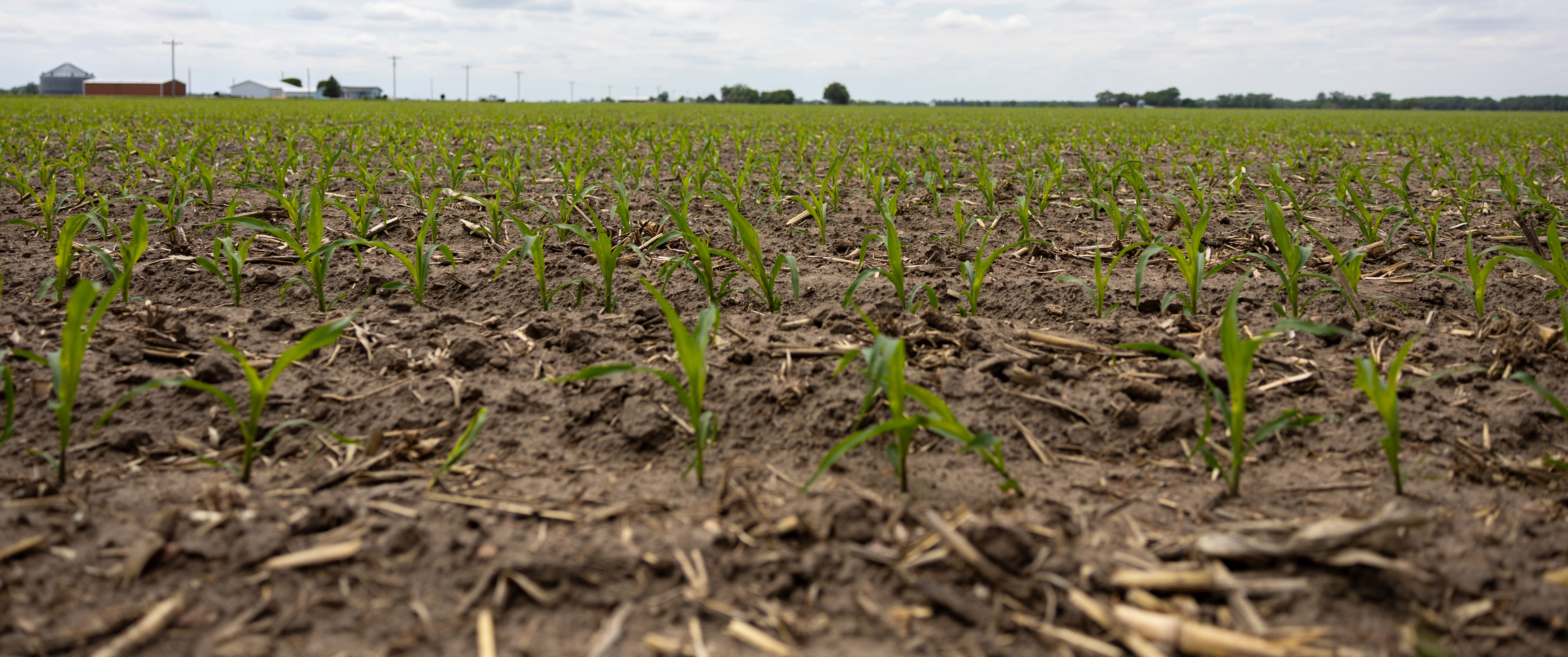
A: The drought has become extremely persistent, especially in western Nebraska. Some Panhandle counties have been in drought conditions for more than 100 consecutive weeks. When you start looking at dryland acres that have gone into prevent plant, producers are no longer buying seed, fertilizer or chemicals for those acres, and that is a challenge that spreads to our rural communities.
The impact goes beyond the farm gate. We’re already starting to see agribusinesses scale back seasonal hiring, and even downtown retail businesses feel the pressure because agriculture drives so much of the local economy. Everyone seems to be tightening their belts.
The idea around prevent plant is to cover some expenses producers have already invested, but it doesn’t make them financially whole. There are still bills to pay and future expenses to prepare for. Financial stability becomes increasingly strained, especially as some areas move into what is effectively a second year of drought. The concern now is what a third year could look like.
Q: What are some things farmers and ranchers should be considering financially as we move deeper into summer?
A: The biggest piece of advice I have is to build a strong advisory team that you know and trust and keep them involved in decision-making. That team should include a banker, an insurance agent and a tax accountant who can work together and help evaluate the operation as a whole.
Every farm and ranch is financially different. When we look across the road and see what the neighbor is doing, we must remember what works for one operation may not work for another. Producers need to look carefully at their balance sheet, specifically working capital and debt load before making decisions.
Those conversations may include questions like:
• Do we need to restructure debt?
• Are there tax planning strategies available?
• Do we need to sell assets?
• Should we look for additional income sources?
What makes this drought especially difficult is that many producers also rely on agriculture-related side businesses for supplemental income, such as seed sales or custom work. Those businesses are also being impacted by drought conditions, creating a double financial hit.
Q: Are there different considerations for cattle producers right now?
A: The advice is still centered around building that advisory team. It’s bringing all three of those together to find out what kind of support is coming down the pipeline. Cattle producers are facing additional pressure with grazing conditions, forage availability and feed costs.
Producers need to realistically evaluate their carrying capacity, available hay supplies and forage outlook. Some may need to make difficult herd management decisions, including dispersal or reduction strategies, and those decisions need to be made thoughtfully and early enough to preserve financial stability. And, as a reminder, if they are dispersing animals, there are some tax deferral options they may qualify for that their accountant can advise them on.
Nebraska Extension has resources available to help producers evaluate ration plans and feed strategies, along with a newly hired financial analyst who can help producers review financial options and provide an unbiased second opinion.
USDA and FSA programs are important, but it’s just as important for producers to work with their bankers to make sure they have operating loans or lines of credit to support their operations until government support comes in.
Q: Many producers are also carrying emotional stress from prolonged drought conditions. What advice would you give them?
A: Drought is one of the hardest disasters to endure because there’s no clear ending point. It builds slowly, and the uncertainty can weigh heavily on producers and families.
I always encourage people to reach out for help if they need it. The Nebraska Rural Response Hotline is an important resource for producers experiencing stress or financial hardship.
I also think local communities and agribusinesses should take mental health awareness seriously. Sometimes the people who interact with producers every day at coffee shops and local businesses are in the best position to notice when someone is struggling.
Just as important, producers need to intentionally create opportunities to step away from the stress, even briefly. Community events, county fairs and extension field days can provide opportunities for connection during difficult times.
Q: How serious are drought conditions in western Nebraska right now?
A: In many areas, this is beyond what people would call manageable. The ground itself is so hard and dry, that even when rain comes, we will not have a crop. That is hard for people to understand, but farmers know their land and they are doing what’s right for their operations. The soil conditions are unlike anything many longtime producers have seen. When we talk about this, I hate to say it, but it is a once in a lifetime.
This drought is also directly connected to the wildfire conditions Nebraska experienced earlier this year. The dryness of the land contributed to how severe and fast-moving many of those fires became.
What Nebraska truly needs is long-term moisture recharge through winter snow and sustained precipitation. Without that, the stress on producers and rural communities will continue to grow.
I hope producers are looking at their balance sheets when they make decisions because that’s what sets some operations apart. They are the ones who are going to do a little better. They have the team; they have the advisors.