

Fall Work on the Ranch


By: Tevyn Pieper
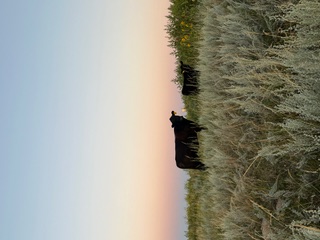
Leaves are changing color and falling from the trees. Geese gather in groups and honk their way across the sky. Fans bundle up and cheer during high school football games on a Friday night. A chill is in the air every morning, bringing a reprieve from the brutal summer heat. Fall has arrived!
For many ranchers in Nebraska who raise cow/calf pairs, fall is a busy time. On our ranch in western Nebraska, calves that were born in the spring are weaned from their moms, and we keep them separate to grow over the winter. Weaning is a very critical time in the life of a calf because it can be a stressful experience for them. Being separated from their mom is a major change, and if a calf’s immune system is already compromised in any way, the temperature fluctuations between an 80-degree fall day and a 40-degree fall night can cause the calf to become ill.
Ranchers will take precautions to help reduce the chances of a calf becoming ill. We give our calves a series of vaccinations when we wean them to help their immune systems fight any potential viruses that may try to infect them after being separated from their moms.
When we separate the calves from the cows, the animals are gathered in the corral and sorted, and the cows are kept within a sturdy corral enclosure. The calves are turned out right next to the cows but have access to a larger feeding area that is already familiar to them. This helps reduce some of the stress of separation. After a few days, the cows are taken to a separate location.
Throughout this process, the calves are closely monitored for health, and any sick ones are treated and may be placed in a separate pen if needed. Weaning is a natural part of an animal’s life cycle, and we take these precautions to ensure that the calves remain as safe and healthy as possible. Ranchers care about the well-being of their animals and would never let a sick animal enter the food supply chain. We harvest beef from our own animals once or twice a year to supply our family with healthy, nutritious beef.