

Waiting on Rain
The grass should be taller by now.
On a pasture in south-central Nebraska, Mike Bartels surveys ground that would normally be carrying far more cattle this time of year. Instead, many of those cows have already been moved, feed is being hauled where grass should be growing, and every decision seems to circle back to the same thing.
Rain.
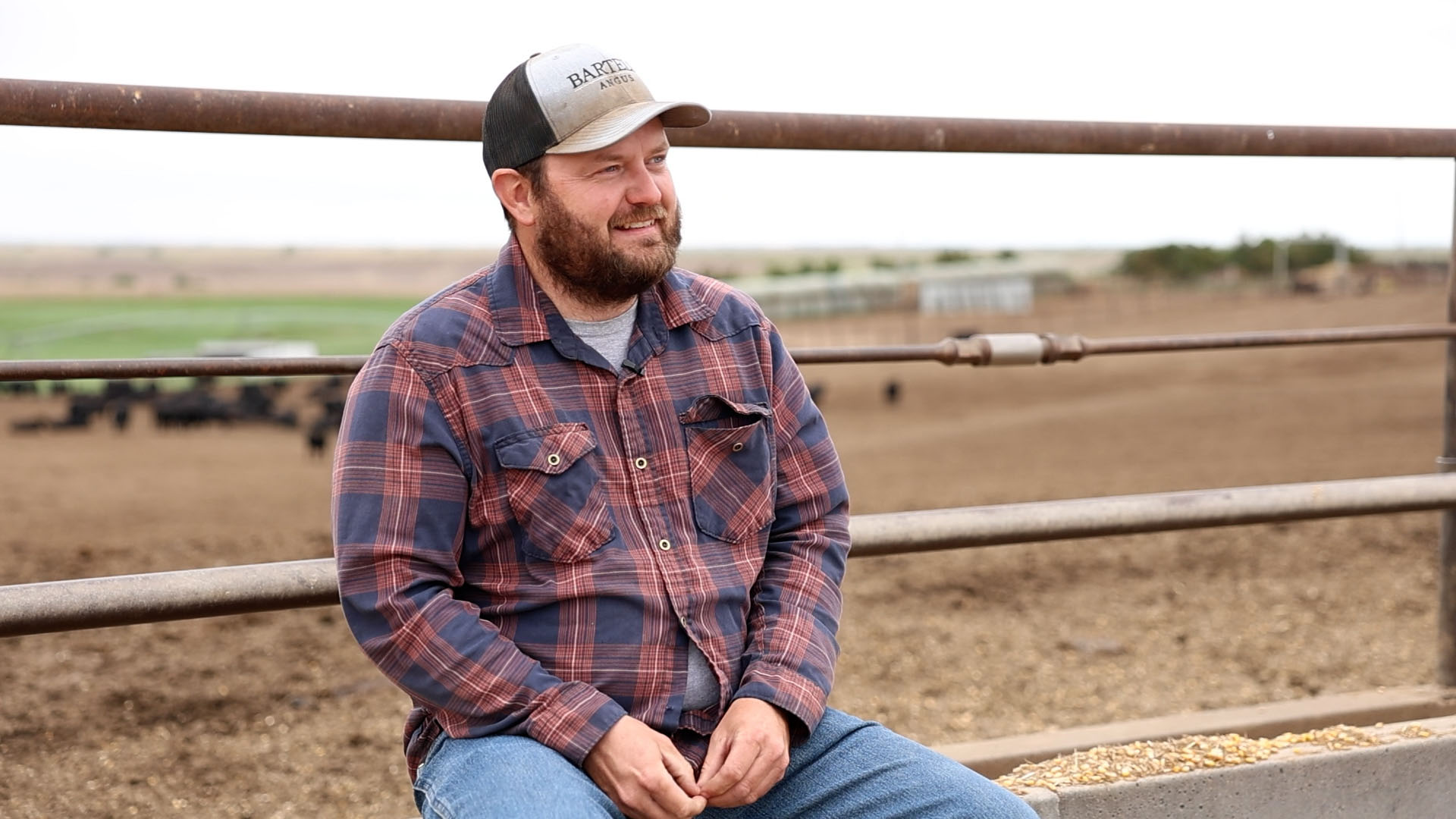
"Summer grazing conditions are going to be a challenge," said Bartels, a Harlan/Furnas County Farm Bureau member. "They always told us you grow two-thirds of your grass in the first third of your summer. And we are halfway through that first third."
Across Nebraska, producers are once again confronting the reality of drought. A dry winter, limited snowfall and below-average spring precipitation have left crop fields searching for moisture and ranchers searching for grass. What started as concern has quickly evolved into difficult conversations around stocking rates, irrigation, input costs and profitability.
For Bartels, those conversations have already turned into action.
"I would say we're 40% of normal stocking rate," he said. "If we catch some meaningful moisture, we'll start sprinkling some more cows out. But if we don't, we're hauling a lot of feed right now."
The drought's impact stretches far beyond forage production.
Water sources that many ranchers depend on throughout the summer are disappearing.
"As far as pond water, springs, anything like that, we're just about dry or we are dry," Bartels said.
The challenge now is making sure cattle continue to have access to water during the hottest months of the year. That means more monitoring, more miles in the pickup and more time spent checking remote pastures.
"It's going to take some diligence to make sure that the cattle have water all the time this summer," he said.
Nearly 100 miles east, Adams/Webster County Farm Bureau member Tyler Ramsey is facing a different version of the same problem.
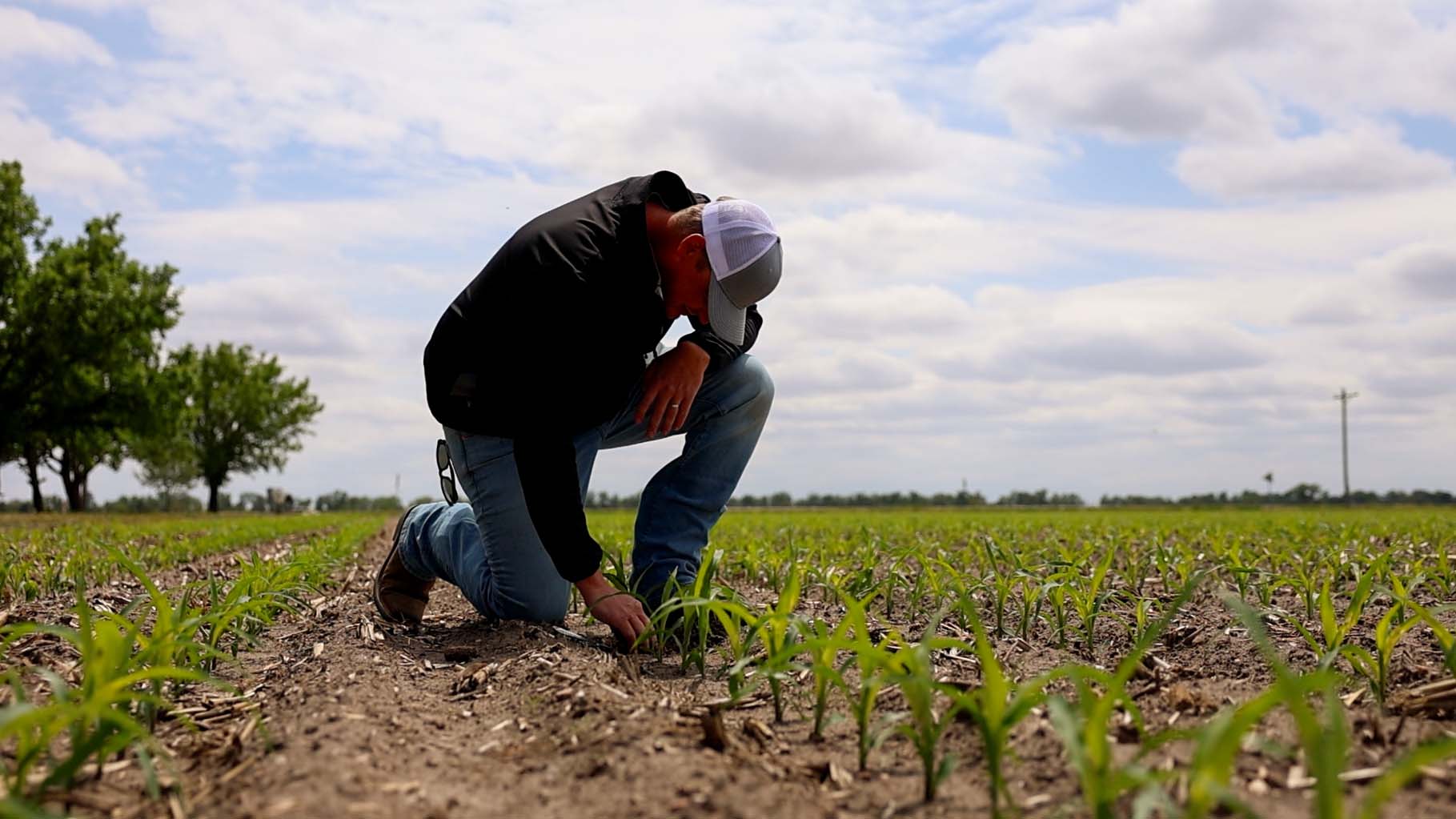
Standing in one of his fields this spring, Ramsey had to dig farther to find what many farmers have been looking for this spring.
"It's dang near four inches down to moisture right now," Ramsey said. "Usually this time of year, it’s an inch or two inches, depending on rainfall."
For crop producers, the story of 2026 began months ago.
"We didn't get hardly any snow cover over the winter, so we started awfully dry," Ramsey said. "When that happens, then you have compaction issues that you're trying to fight when you're planting, and in some fields it's even hard to get the planter in the ground."
Even where crops have emerged, the dry conditions continue creating headaches. Herbicides need moisture to activate. Weeds do not.
"We already have some weeds pushing through," Ramsey said. "Unfortunately, we can't make it rain here. We just kind of have to pray for rain and do the best we can from here on out."
The result has been an unusually early irrigation season across much of Nebraska.
"You've probably seen a lot of pivots going here in May," Ramsey said. "That's for both helping seed come out of the ground, maybe some compaction issues, but also trying to get our herbicide moving because it's warm and the weeds want to come up and be a problem."
For producers, drought rarely arrives as a single problem. Instead, it creates a chain reaction.
Pastures don't grow. Feed costs rise. Crops struggle. Irrigation demands increase. Water supplies tighten. Input costs continue to climb.
All of it arrives at a time when grain markets remain unpredictable and producers are carefully managing already tight margins.
"The range of input prices and grain markets is so variable," Ramsey said. "Can you be profitable or are you going to be in big trouble? It's hard to tell."
That uncertainty may be one of the most difficult aspects of farming through drought. Decisions must be made today, often before anyone knows what conditions will look like in a week, a month or a season.
For Bartels, the key is making those decisions early.
"Hoping is not a plan this year," he said. "I think the guys that make decisions first and move forward with those decisions are probably going to be fine."
Still, there is a difference between realism and pessimism.
Nebraska producers understand weather risk. They always have. Every generation has faced seasons when rain came late, markets turned unexpectedly or conditions tested their resilience.
That perspective is what keeps many moving forward despite the challenges.
"The profitability side is still going to be there," Bartels said. "My hope is that guys dig in and try to keep their cow herds together because as soon as the cows are gone, the factory's gone, and it's hard to get that back."
For now, producers across Nebraska continue doing what farmers and ranchers have always done: watching the skies, adjusting plans and preparing for whatever comes next.
They know rain won't solve every problem facing agriculture.
But right now, it would solve some of them.